BlogThe question is usually whether Optima has an API. The answer is that it has five different things by that name, each with a different licence, a different owner, and a different phone number to call when it stops working.

BlogThe most valuable agent is almost always the wrong first build. Not because it cannot be built, but because its first honest output arrives in week ten, and nothing holds a room's attention that long. Four questions that screen the candidates, and one number that predicts whether the project lands.

BlogThe integration gets the Administrator account, because scoping the rights would take an afternoon and nobody has the afternoon. Then it turns out the strongest read-only boundary in enova365 is not the permission tree at all. It is the licence.

BlogHarmonogram Zadan is the third route data takes out of enova365, and the only one that fails without making a sound. A job that did not run and a job that found nothing look identical from outside. That is the whole story.

BlogEvery enova365 installation with the Handel module already has credit limit control. Almost none of them control real exposure. The number has not been touched since migration, it counts less than you are owed, and it fires at the point where stopping costs the most.

BlogThe ageing report in enova365 shows 120 overdue lines. Last week eight reminders went out. That gap isn't neglect — it's a filter that exists only in somebody's head. Automating the sending is trivial. Writing down the filter is the whole project.

BlogAdding a custom field in enova365 takes an administrator five minutes and needs nobody's approval. For anything reading that data, it's a schema change. That asymmetry is the whole story of these projects — along with the inventory you should run before quoting, not after the first silent failure.

BlogImporting MT940 into enova365 works, and nobody should charge you for it. The hours go on what happens next — matching lines to open items. The ceiling on that is set by one field: the payment title your customer typed.

BlogBefore anyone talks about an AI agent for accounting on enova365, there is a duller question to answer: does this data leave the system in a form that still means something? Three exit routes, the one field KSeF added, and an honest list of what the API will never hand you.

BlogThe question of who is liable when an agent gets it wrong has a boring answer: exactly the same people as before. Liability does not move to software, because it was never available to move. Something else changes, and that part is more interesting.

BlogBuilding a read-only agent takes three to five days, and that number is honest. It has almost never been the thing that decided when a client actually had a working agent. Something else decides, and you can measure it.
BlogAn agent runtime in one Kubernetes pod, tools as Python skills, a two-token auth flow into enova365, CronJobs pushing morning digests and charts straight to Telegram. I take the production accounting agent apart, piece by piece — and say what I'd do differently next time.

BlogErrors in a JPK_V7 file come in two kinds, and only one of them is a data problem. An agent removes most of the first kind. The second stays with a person - and that is the expensive one.

BlogTwo Polish rules share a 15,000 PLN threshold and nothing else. One asks who you are paying, the other what you bought. Split payment also happens to be the cheapest protection against the white-list penalty — with a price nobody mentions: cash locked on a VAT account.

BlogMost offices check the contractor on the day they book the invoice. The law hangs the consequences on the day the transfer goes out - a different day, and sometimes a different status. What automates, how many hours it really saves, and why the hours are not the argument.

BlogMonth-end is not a deadline problem, it is a distribution problem. The dates never move — the 15th, the 20th, the 25th — but the documents arrive whenever they arrive. Here is what an agent can prepare during the quiet first week, and the single number that tells you whether anything actually changed.

BlogA pilot from €1,900 plus a subscription. Worked through to the end: at 400 documents a month the agent never pays for itself, at 700 it repays inside a year, and an accounting office crosses the line somewhere around its twelfth client.

Blog31 January, 31 May, 30 September. Miss one by more than 30 days and the licence lapses, with a six-month wait before you can reapply. The number you have to declare sits in your ERP all year — nobody looks at it until January.
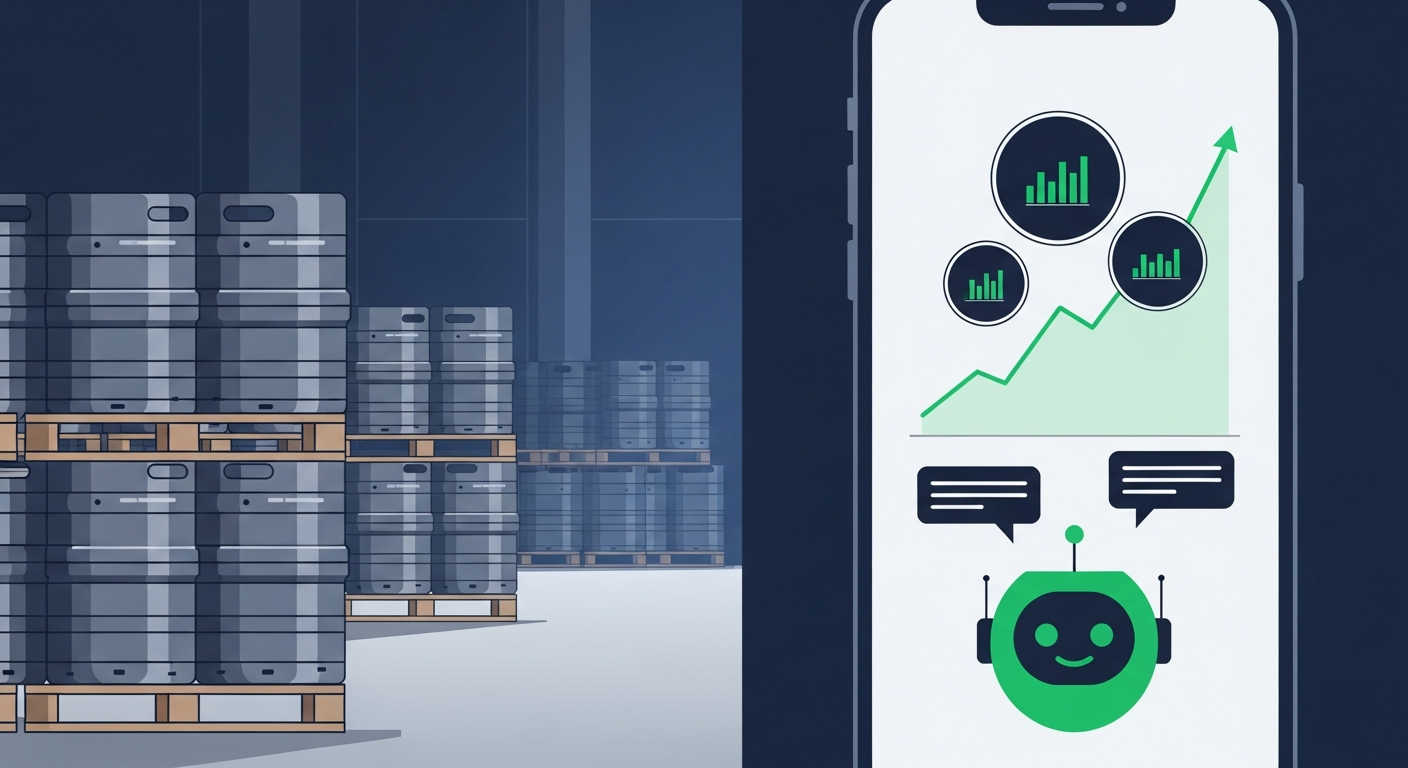
Case StudiesAt LUBART Keg Market the accountant used to be the company's search engine: someone asks, she stops, opens enova365, clicks, copies numbers into a message. Now all three — accountant, director, owner — ask on Telegram and an AI agent answers in seconds off live ERP data. At 8:00 it sends the morning pulse without being asked. Here's how it's built.
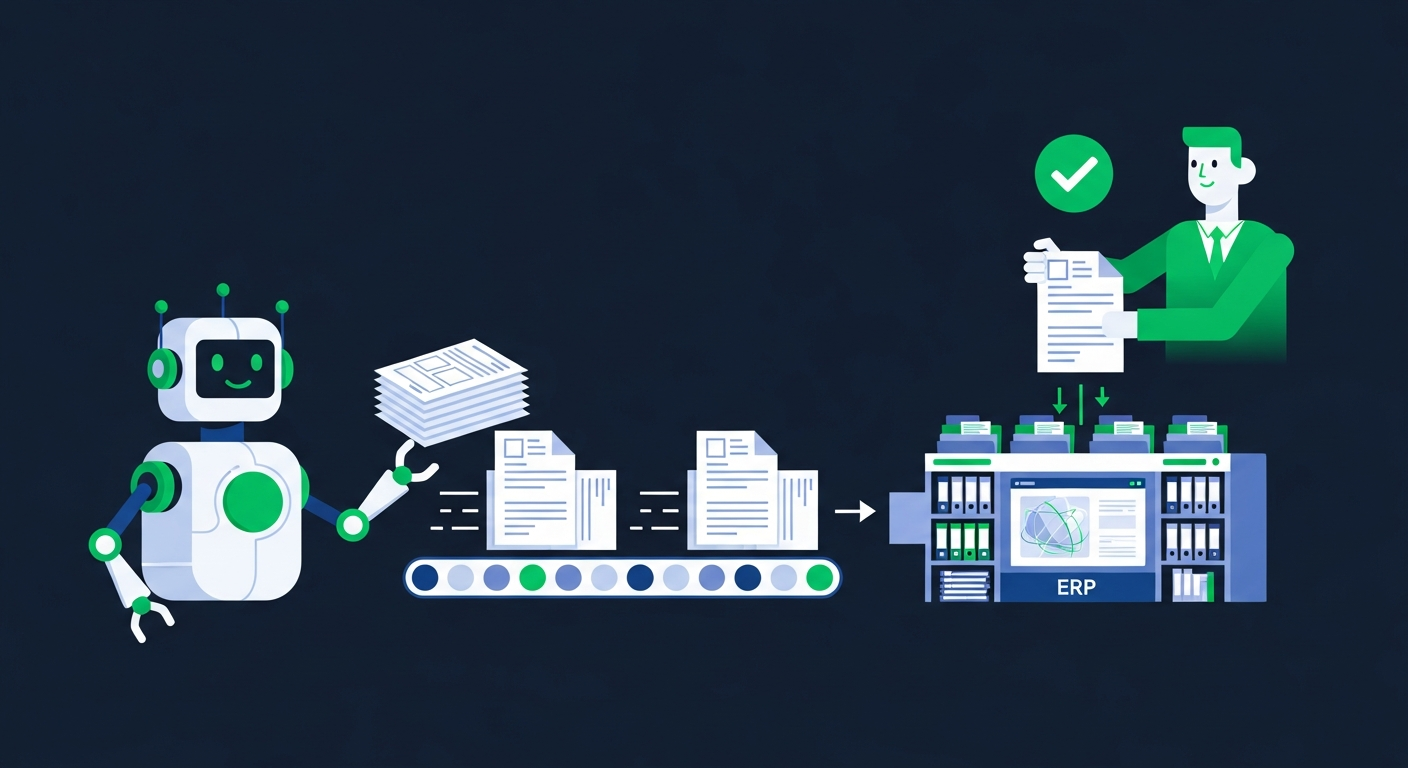
BlogKSeF gives you invoices as data. WebAPI gives you writes into enova365. In between sits an agent that maps the contractor by NIP, classifies the booking, and writes a draft into buffer status — never a final entry on its own. The full architecture, exception queue included.
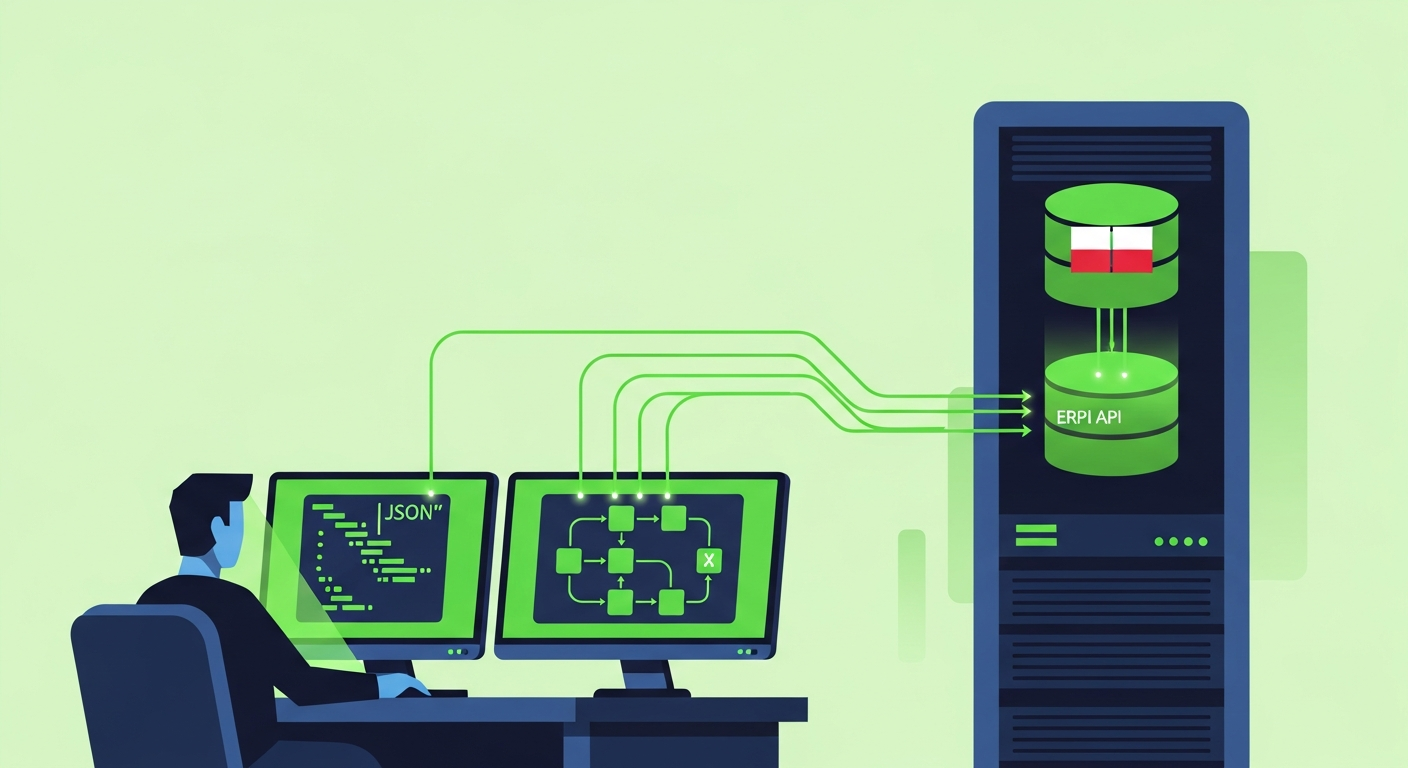
BlogLicence prerequisites, JWT auth, dynamic vs static controllers, writing documents to buffer status, Harmonogram Zadan, and the failure modes I hit in production. Everything I check before writing a line of enova365 integration code.

BlogA B2B portal takes 12 working days to build. Moving your customers onto it takes four weeks, and that's the half nobody plans — which is why so many portals sit empty. Here's the plan, day by day and wave by wave.

BlogIn a wholesale business AI isn't one project, it's a sequence of them. A distributor taking 120 orders a day burns 30 person-hours just retyping them into the ERP — that's step one, not the demand forecasting most companies start with.
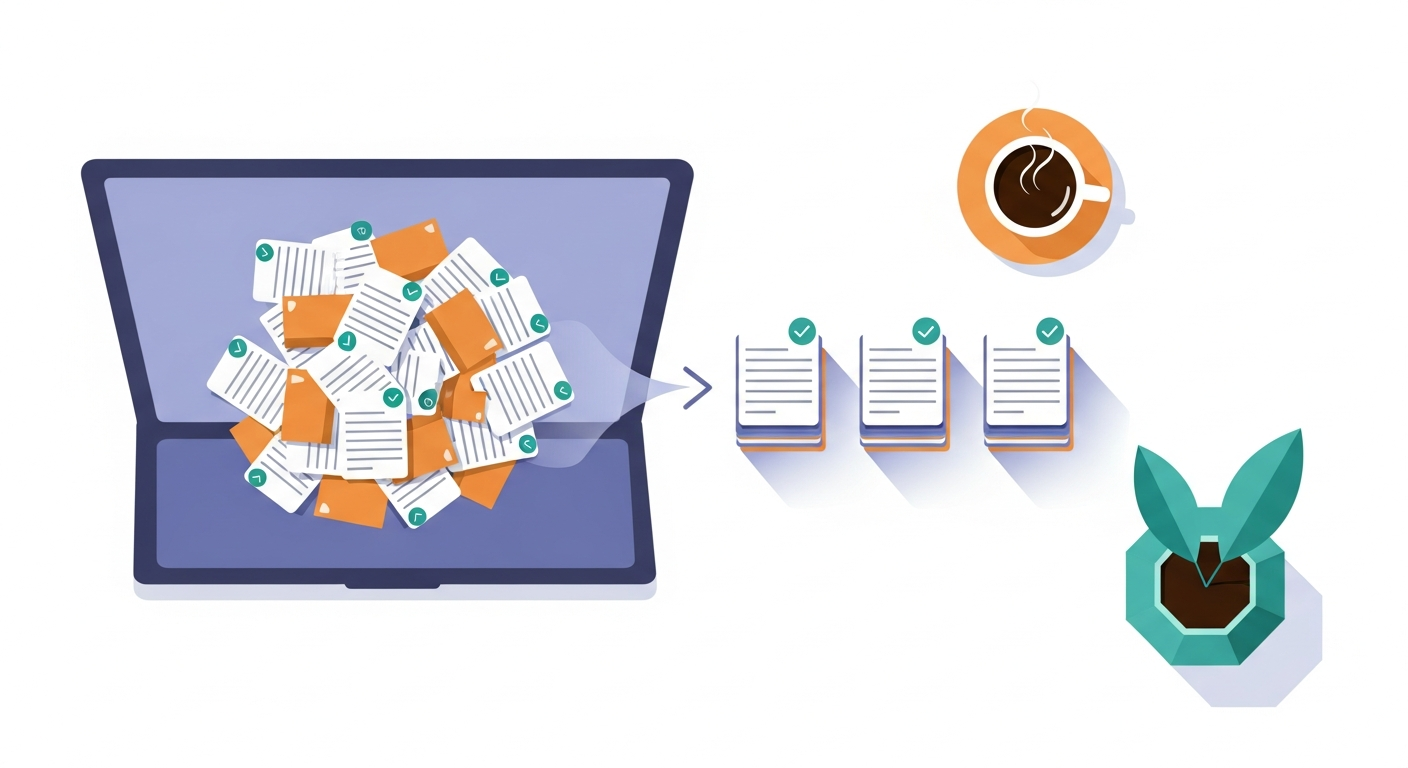
BlogKSeF digitised document intake, but not booking or payment reconciliation. An office with 40 clients still hand-processes around 6,000 documents a month — and that's where AI should start, not another OCR tool or a chatbot on your website.
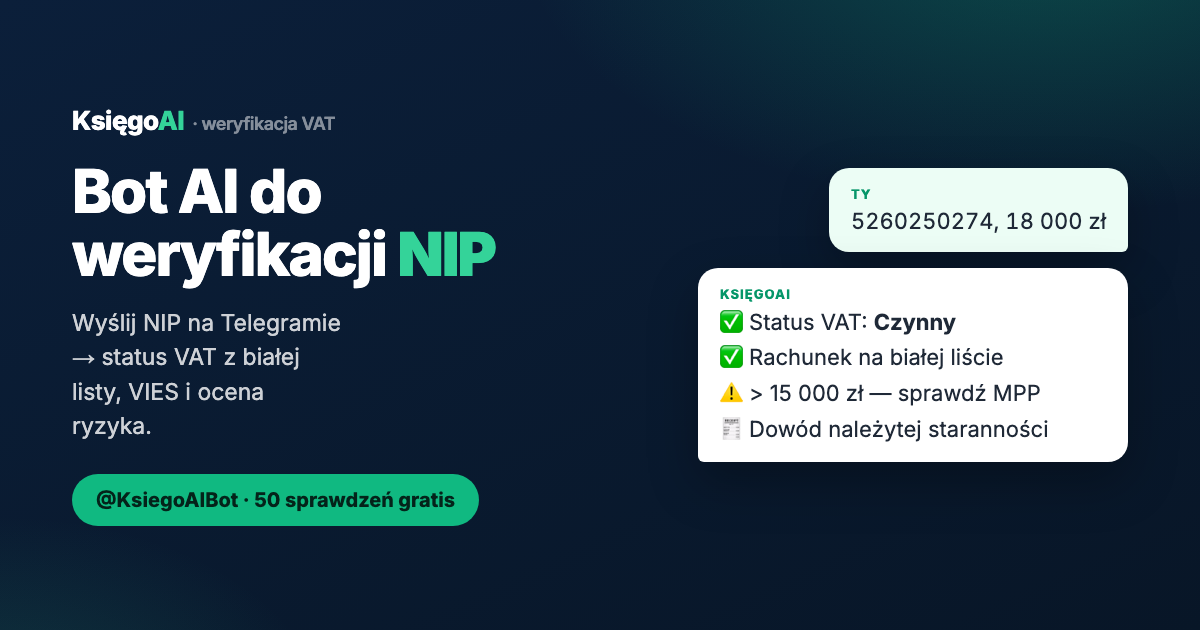
BlogSend a NIP, get the VAT status from the official white list, a VIES result and a risk assessment (the PLN 15,000 threshold, split payment) — with a ready due-diligence proof. Meet KsięgoAI.

BlogPost-KSeF, invoices arrive as data. So does your bank statement. The hard part was never reading the line — it's matching it to the right invoice, and that's exactly the work an AI agent does on 80–90% of positions, handing the rest to a human exception queue.
BlogKSeF already collects every purchase invoice you receive in one place, behind one API. Here's how an AI agent pulls them from KSeF, checks the counterparty against the official VAT registry, and drops ready-to-review draft entries into your books — no OCR, no re-typing.

BlogComarch Optima has no clean REST API like enova365. Three real integration routes to a B2B portal: distributed-work XML, direct SQL access, middleware. What to pick, how long it takes, where the traps are.
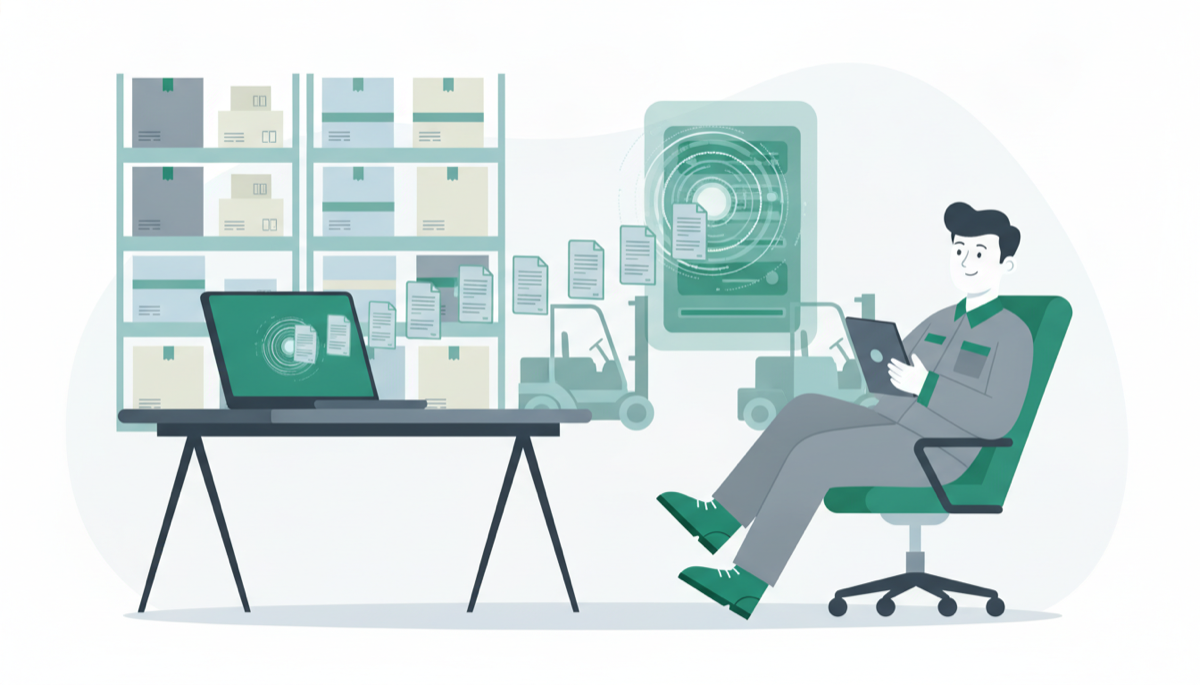
BlogYour sales rep spends half the day retyping email orders into the ERP? Here's wholesale order automation broken down: B2B portal, AI email parsing, ERP integration with enova365, Subiekt and Optima — with real costs and timelines.

BlogUsing a chatbot, screening CVs with AI, processing documents? The AI Act applies to you too — but in 90% of cases the obligations are lighter than the consultants' scare stories. Here's the plain-words decision tree.
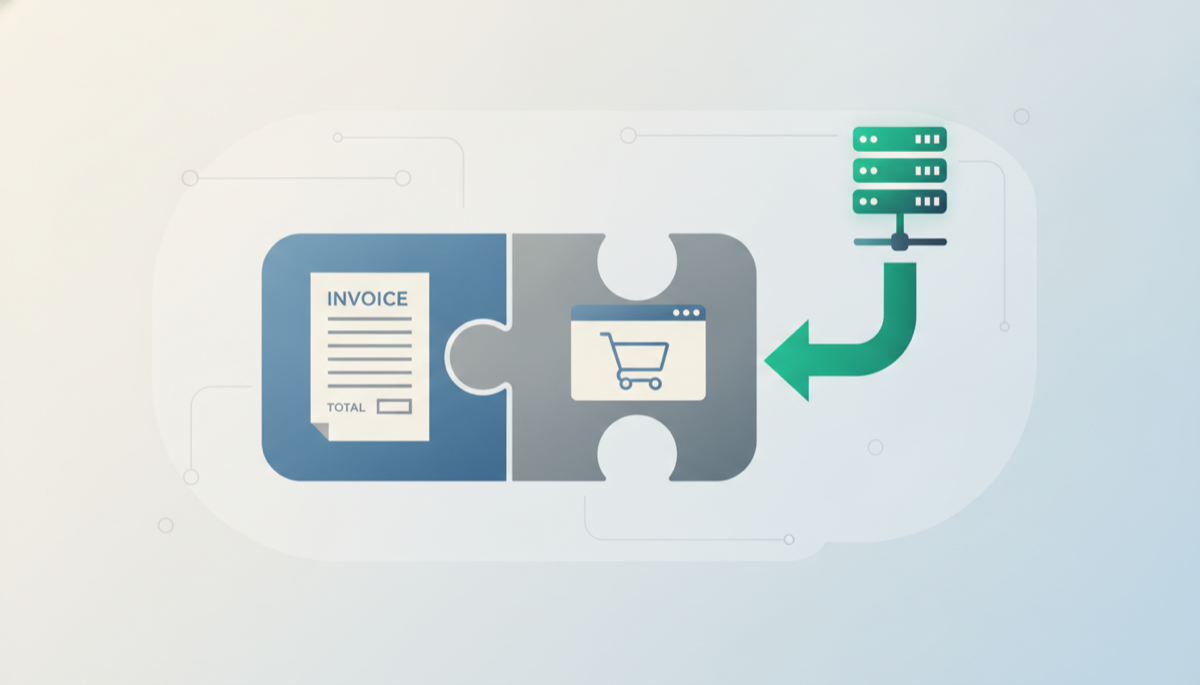
BlogJust survived the KSeF rollout? Your ERP and invoicing pipeline were already opened up. That's exactly the moment when adding a B2B portal costs the least — half the integration already exists.
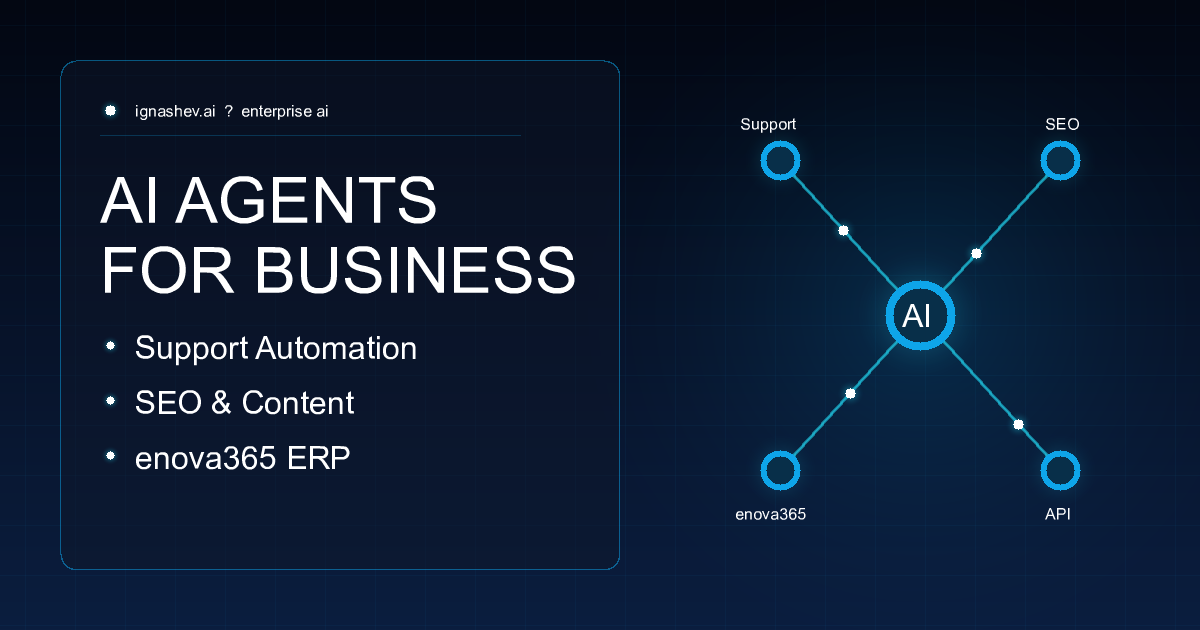
BlogAI agents are transforming business operations. Learn how to delegate customer support with RAG, SEO content creation, and automatic email order processing in enova365 ERP to autonomous AI assistants.
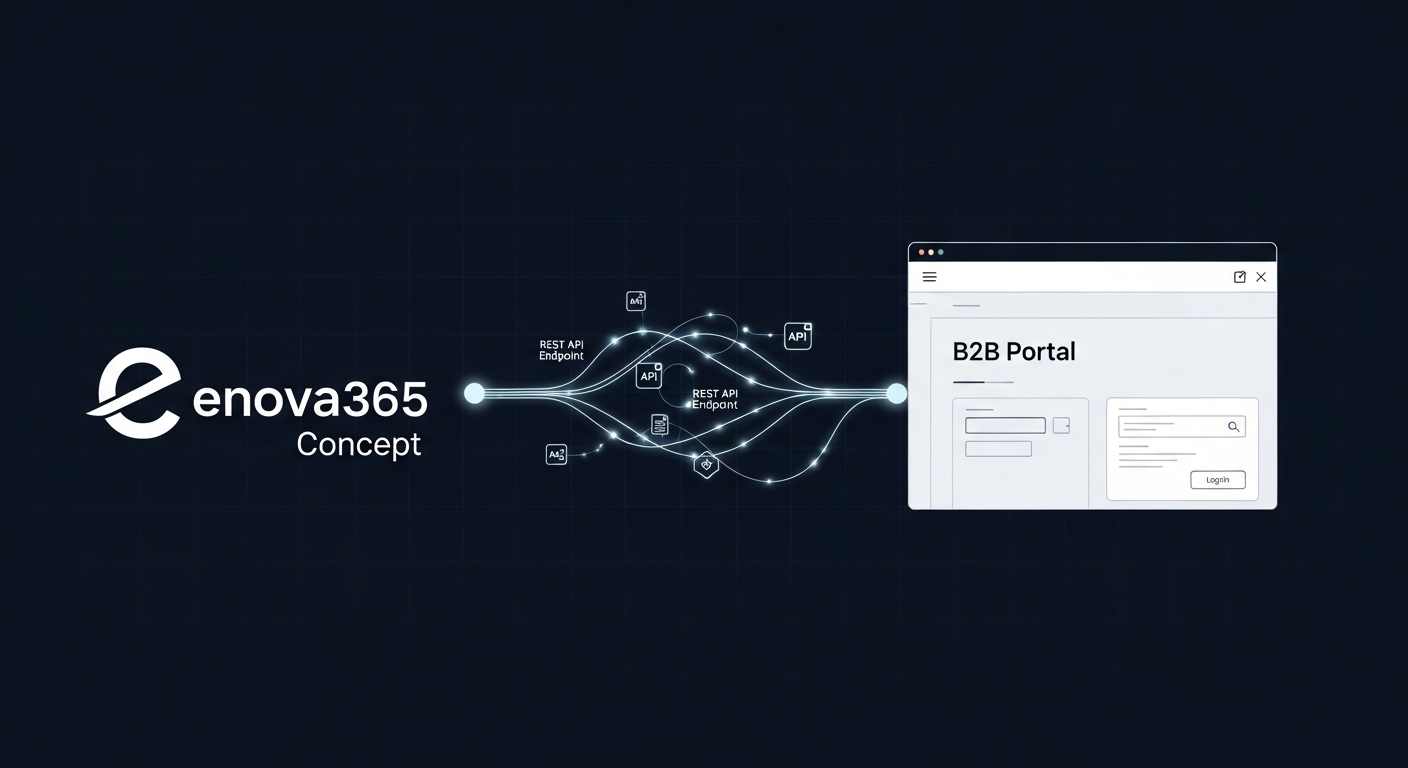
BlogConnecting a B2B portal to enova365 via Soneta WebAPI — JWT auth, dynamic controllers, Harmonogram Zadan, price groups. The architecture that actually works, without the filler.
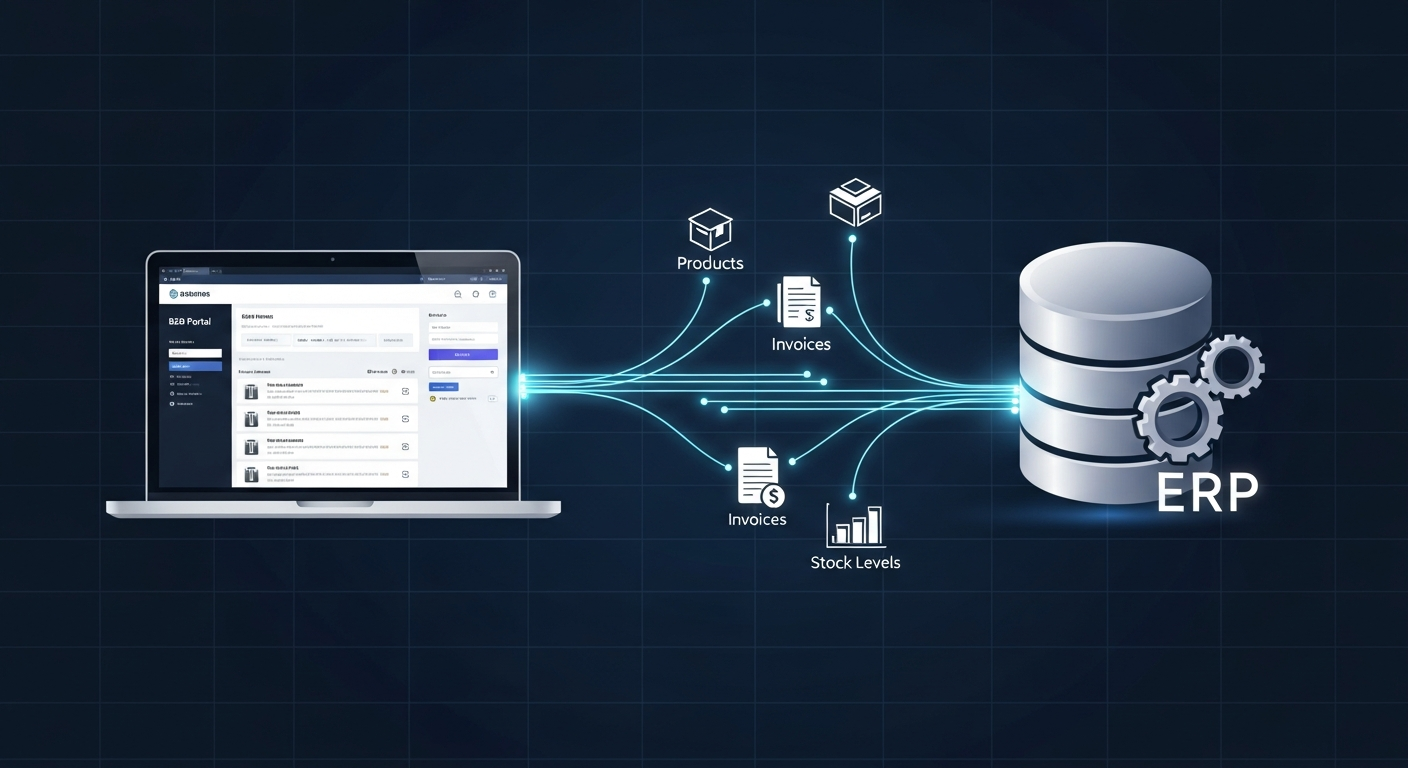
BlogA practical guide to connecting a B2B wholesale portal with the three most common Polish ERP systems. What each integration actually involves, where things go wrong, and honest timelines.
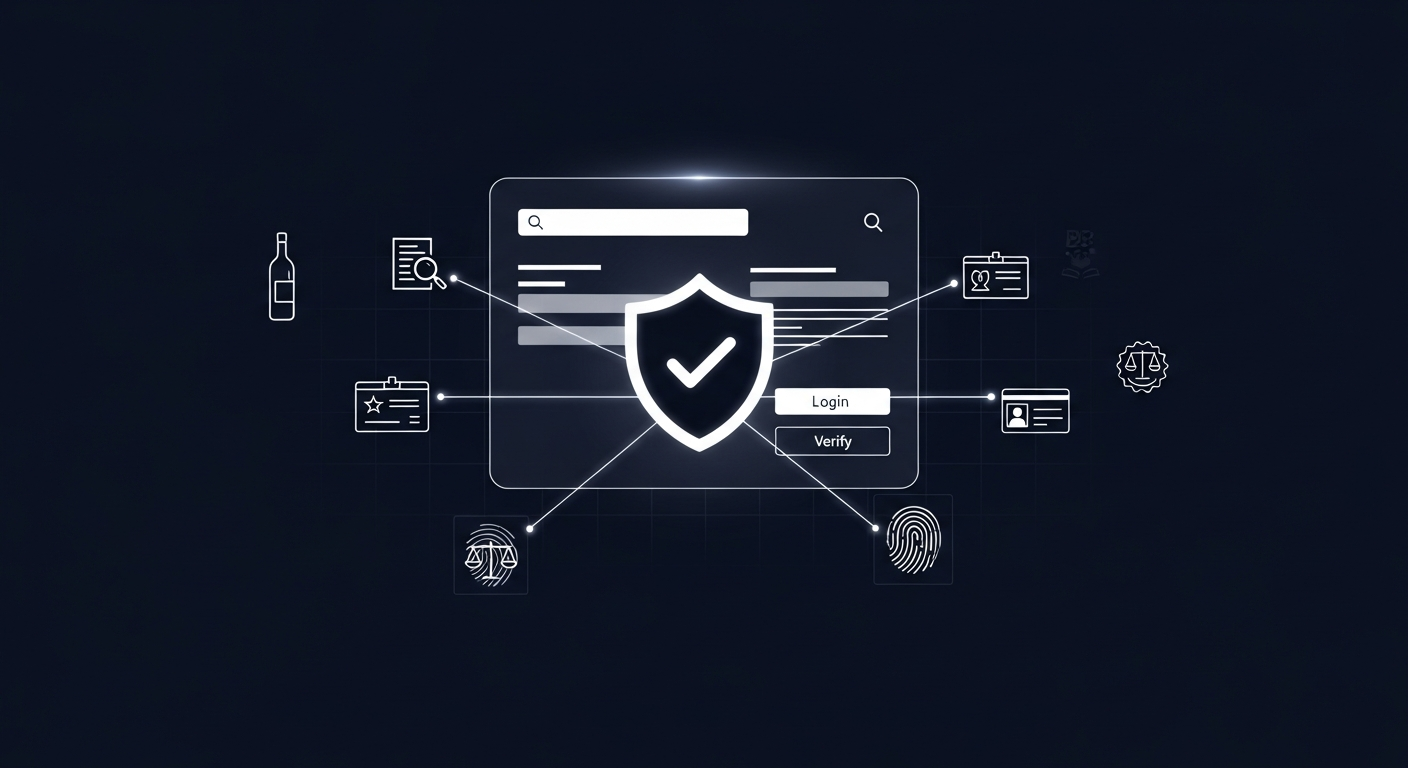
BlogWhy a B2B portal for alcohol wholesale is not the same as a standard ordering portal — and what it must include to stay compliant: licence verification, excise data, and regulatory logging.
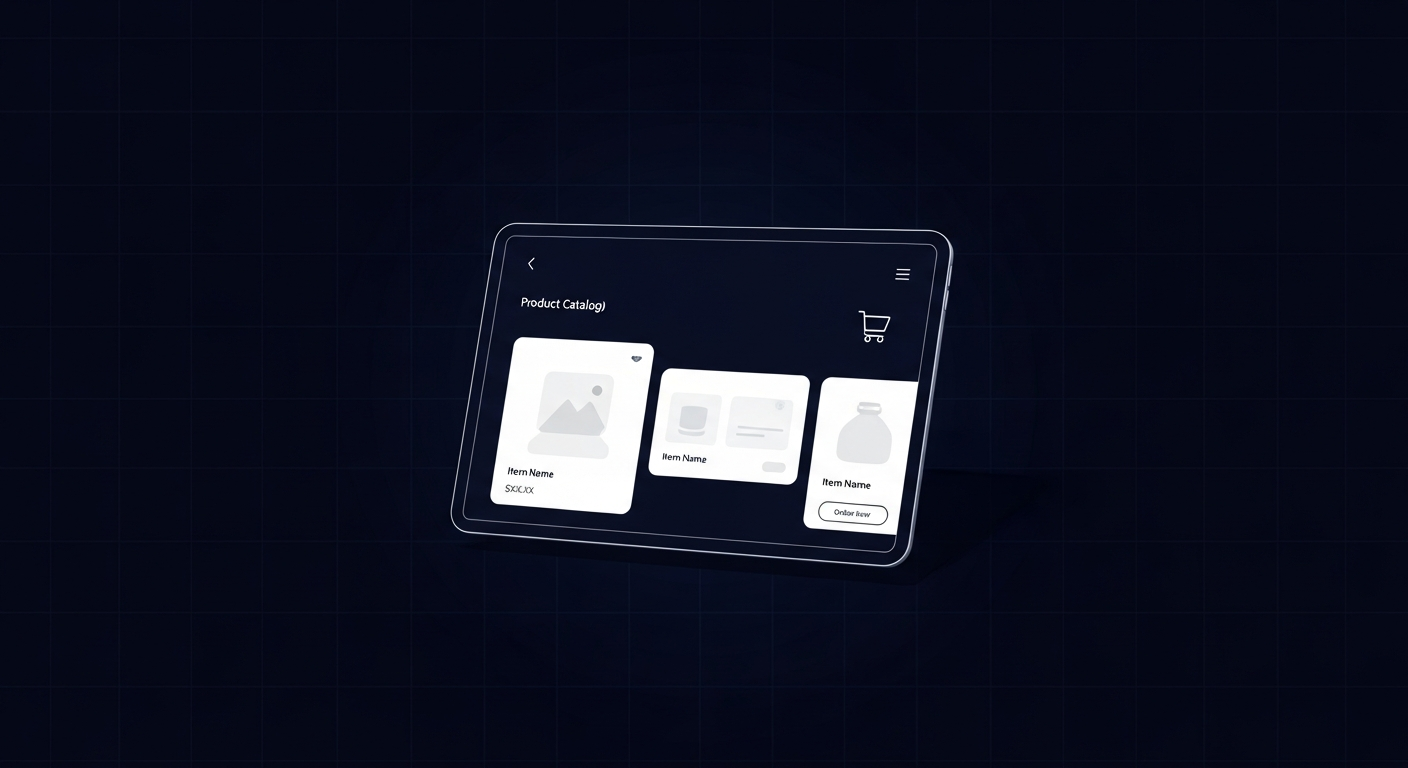
BlogWhat a modern B2B online ordering system actually includes, how long it takes to implement, and what the ROI looks like — with real numbers from wholesale deployments in Poland.
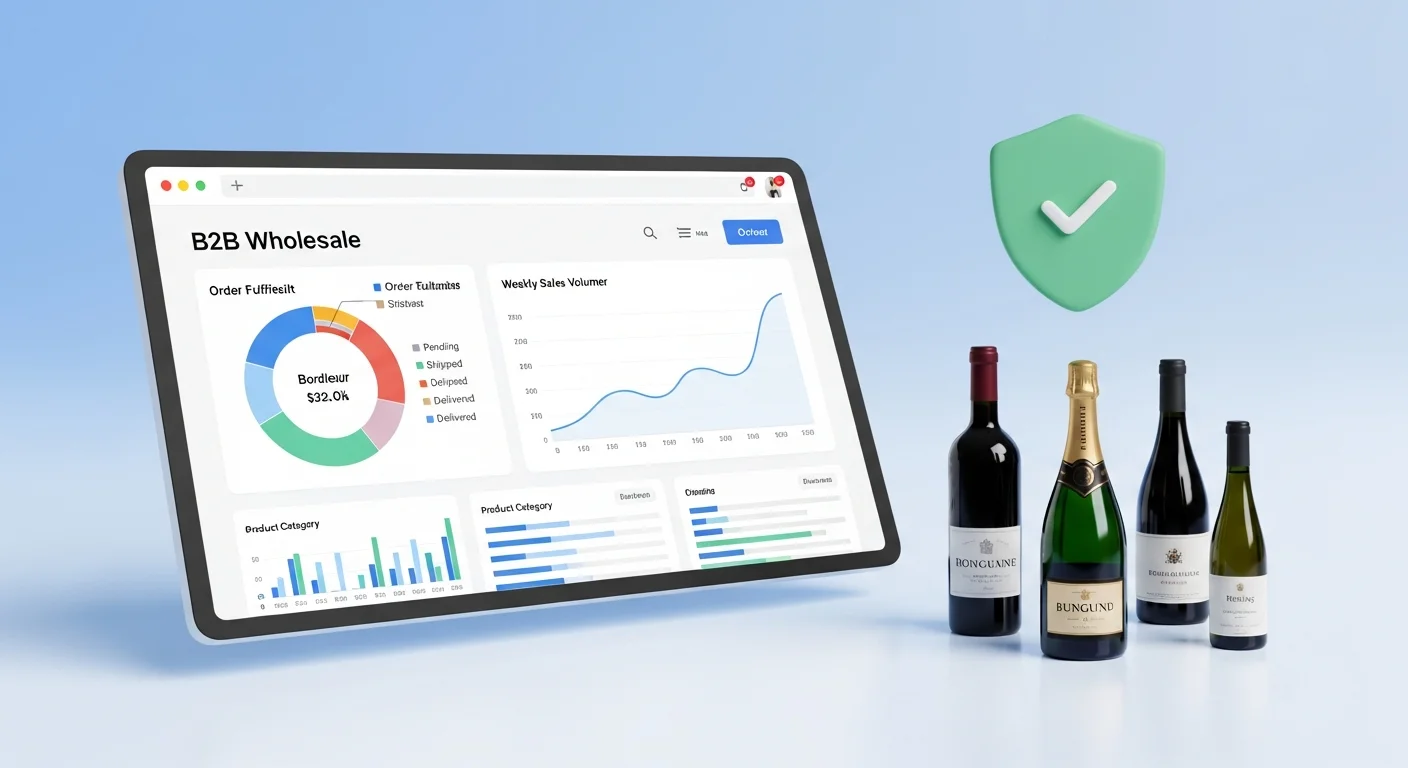
BlogCase study: a Polish alcohol wholesaler replaced phone and WhatsApp ordering with a B2B portal — 70% adoption in the first month, zero pricing errors.

BlogA transparent breakdown of B2B portal costs across SaaS, agency-built, and specialist-built options — with total cost of ownership over 3 years.
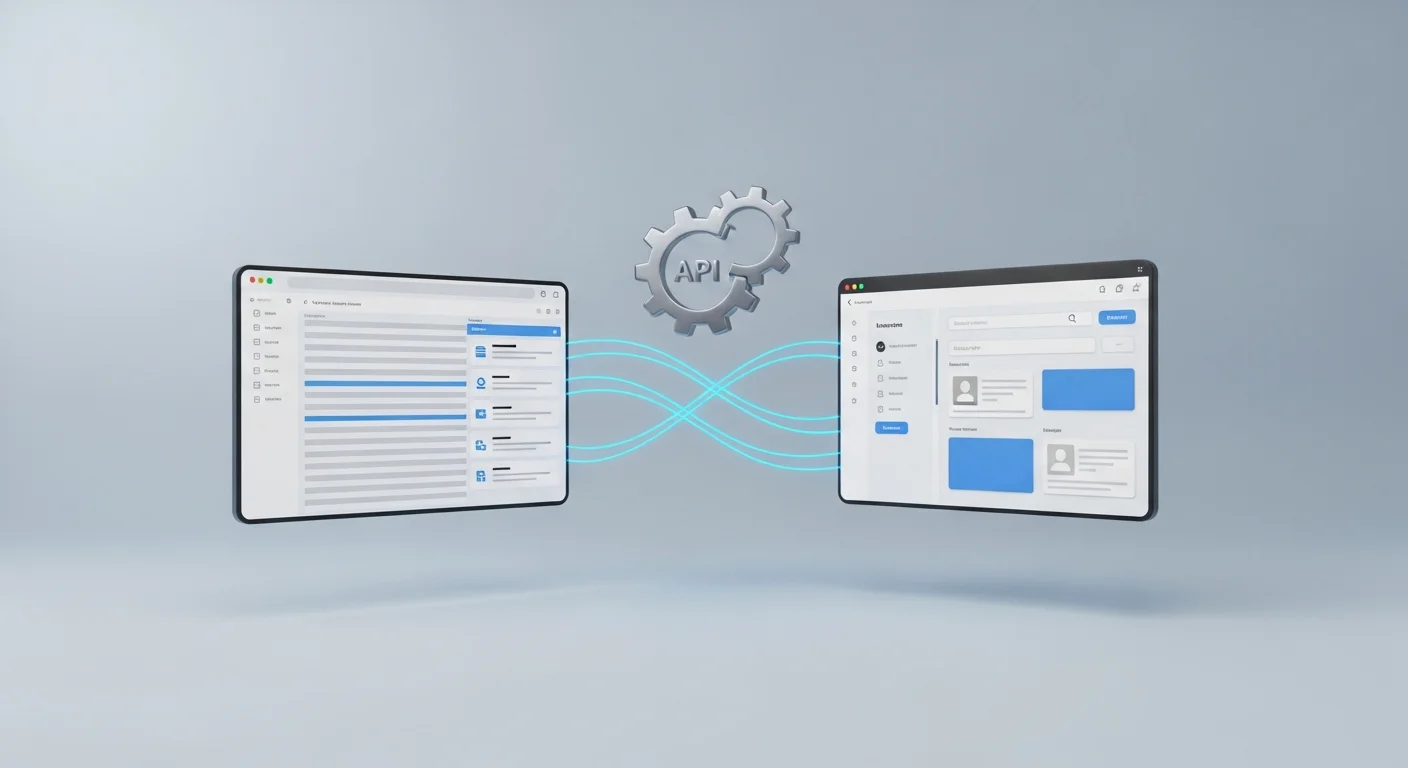
BlogA technical but accessible guide to ERP-B2B portal integration: API vs. file sync, data flows, common Polish ERPs, and what can go wrong.

BlogSaaS vs. custom B2B portals for wholesale distributors: deployment time, ERP integration, fees, and a practical decision matrix.

BlogA practical guide to B2B ordering portals for wholesale distributors: features, costs, deployment timelines, and when it actually makes sense.
BlogB2B buyers want to order at 10 PM, check stock without calling, and download invoices themselves. Here is what a self-service portal actually includes.
BlogThe evolution of wholesale ordering from phone to fax to email to WhatsApp to B2B portal — and why each transition happened.

BlogFive AI projects under 5,000 EUR that deliver measurable ROI for small businesses — each with a realistic timeline and expected return.
BlogGPT-4, Claude, or Llama — the choice depends on your use case, budget, and data sensitivity. This guide explains the key criteria and gives you a decision framework.
BlogRAG and fine-tuning are both ways to make an AI model work with your data — but they solve different problems at very different costs. Here is when to use each.
BlogAn AI consultant bridges the gap between AI capabilities and business problems — helping you avoid costly mistakes and find the highest-ROI use cases for your organisation.
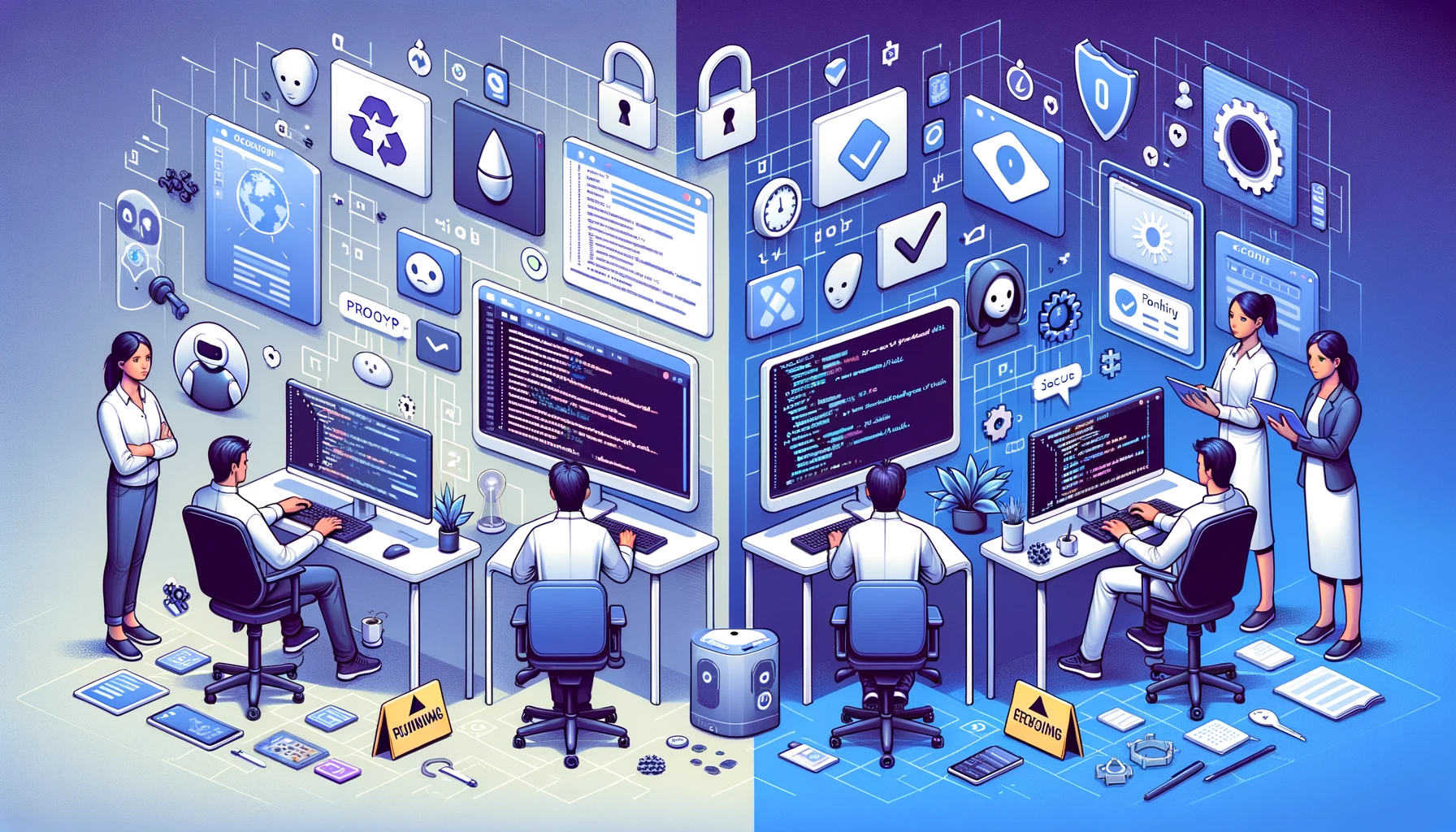
BlogVibecoding lets anyone build an app fast — but can you trust it in production? Agent-based development uses AI coding agents in specialized roles with human oversight to ship production-ready features in 2-4 hour sprints, not 2-week cycles.
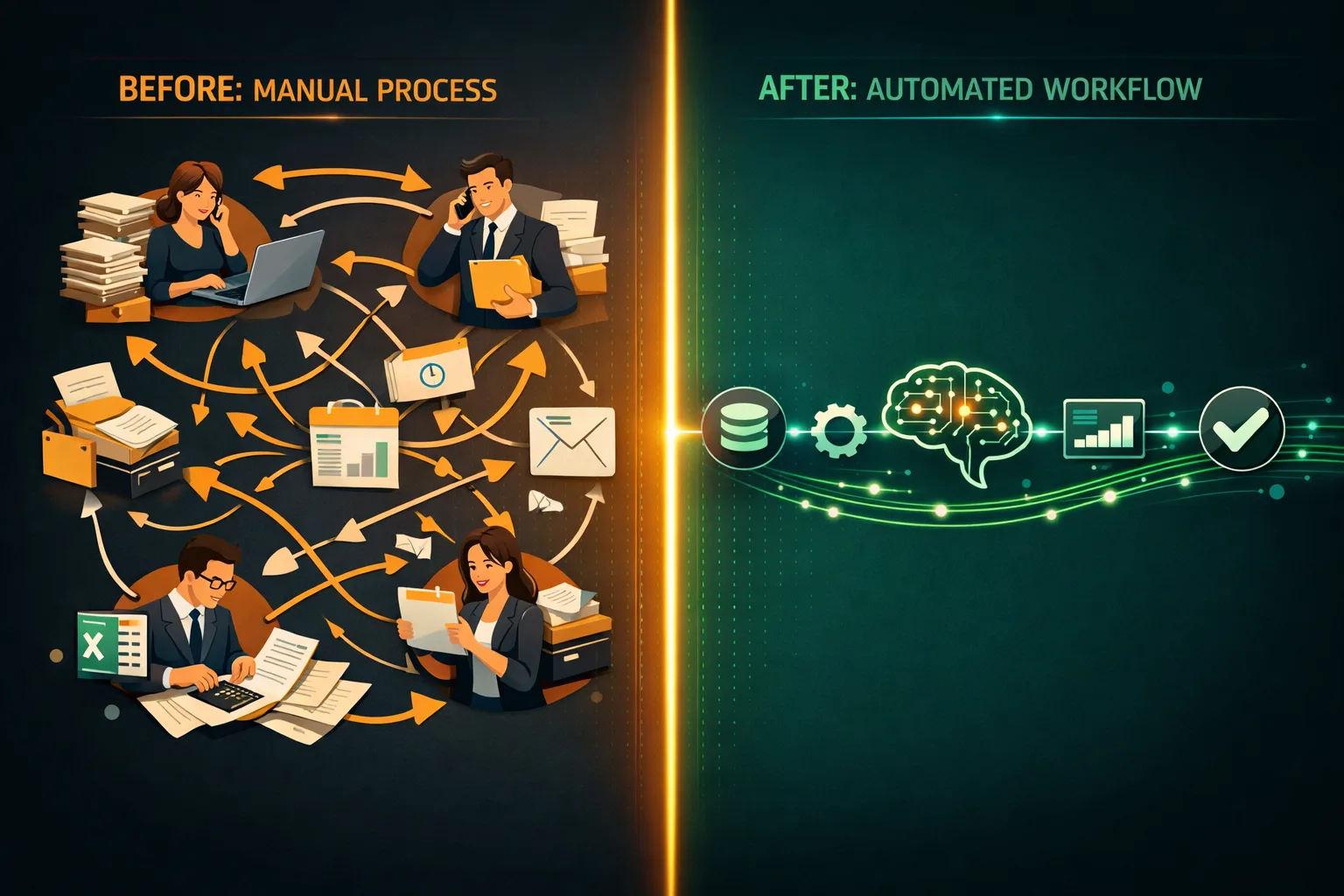
BlogA step-by-step look at how an AI automation project actually unfolds — from identifying the right process through proof of concept, full build, and handover — with realistic costs and timelines.

BlogRoughly half the readiness audits I run end with a recommendation to build nothing this quarter. Here is the whole process — the four things I score, the three weeks, the four documents you get, and the size below which you should not buy an audit at all.
BlogAI is not just for big corporations. This practical guide helps SMB owners assess their readiness for AI adoption before spending a single euro.